


Lymphatic Massage After Tummy Tuck Dubai

A tummy tuck is one of the more physically demanding cosmetic procedures to recover from. The combination of muscle repair, skin removal, and tissue repositioning means your body has significantly more to manage in the weeks after surgery compared to less invasive procedures. Swelling after an abdominoplasty is not just surface level — it builds up in the deeper tissue layers and can take months to fully resolve without the right support.

Lymphatic drainage massage is one of the most effective ways to support your body through this recovery period. Our DHA-licensed therapists provide post-tummy tuck lymphatic drainage sessions delivered directly to your home or hotel across Dubai — structured specifically around abdominoplasty recovery, not adapted from a general post-surgery routine.

Lymphatic Massage After Tummy Tuck Dubai
Why the Lymphatic System Is Affected by Surgery

Why Tummy Tuck Recovery Is Different

What makes abdominoplasty recovery distinct from other cosmetic procedures is the extent of what happens during the surgery itself.

In a full tummy tuck, the abdominal skin is lifted from the underlying muscle, excess skin and fat are removed, the abdominal muscles are repaired and tightened, and the remaining skin is repositioned and sutured. The belly button is also repositioned in most full abdominoplasty procedures.

This process creates a large area of tissue disruption — far larger than a liposuction procedure of the same region. The lymphatic vessels running through the abdominal tissue, the flanks, and the lower torso are all affected. The drainage pathways that normally carry fluid away from this area are disrupted at a scale that takes the body considerable time to manage without support.

The result is swelling that is often more significant and longer lasting than patients expect — particularly in the lower abdomen, which is the furthest point from the inguinal lymph nodes that drain this area. Many tummy tuck patients find their upper abdomen settles relatively quickly while the lower abdomen remains swollen and firm for weeks or months.

This lower abdominal swelling is not something that simply needs time. It needs active management through consistent lymphatic drainage in the right direction and at the right recovery stages.

The Specific Recovery Challenges Lymphatic Massage Addresses

Fibrosis lymphatic drianage massage dubai

Swelling that does not move on its own

After a tummy tuck, the tissue that has been lifted, repositioned, and sutured is not immediately able to drain fluid efficiently. The disruption to the lymphatic network means fluid accumulates in the abdominal tissue and stays there. Without drainage support, this fluid sits in the tissue for extended periods — contributing to the prolonged swelling that many abdominoplasty patients experience well into their third and fourth month of recovery.

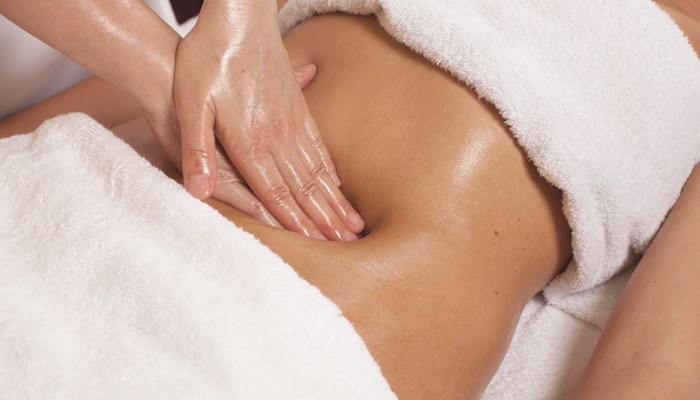
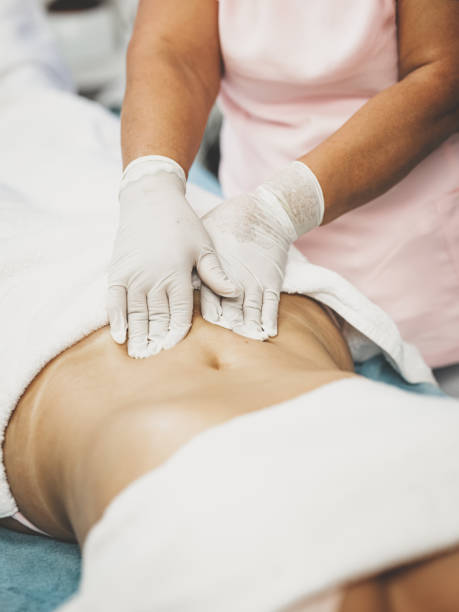
Lymphatic drainage massage gives this fluid a route out. By working the lymphatic pathways systematically — from the lower abdomen upward and toward the inguinal nodes — sessions help move fluid that the body’s compromised drainage system cannot clear efficiently on its own.

Seroma lymphatic massage dubai

Hardness and tightness in the abdominal tissue

Beyond visible swelling, one of the most commonly reported experiences after a tummy tuck is a feeling of deep tightness and firmness across the abdomen. This happens for two reasons.

The first is the muscle repair itself — the abdominal muscles have been sutured together and the tissue around them is in an active healing phase that naturally produces firmness.

The second is fluid accumulation in the tissue layer above the muscle. When fluid sits in tissue for an extended period, it begins to thicken and the surrounding tissue responds by laying down fibrous material — the beginning of fibrosis. This fibrosis contributes to the hard, board-like feeling many patients experience across their lower abdomen and is one of the most important things lymphatic drainage massage can help prevent when started early enough.

How Sessions Are Structured for Tummy Tuck Recovery

Post-tummy tuck sessions are different from other post-surgical lymphatic drainage work in several important ways.

The incision consideration

A tummy tuck leaves a horizontal incision across the lower abdomen — typically from hip to hip. In the early weeks of recovery this incision is still healing and no direct work is done over it. The therapist works above, below, and around the incision area to encourage fluid to move toward the inguinal nodes without putting any pressure on the healing wound itself.

The positioning requirement

Many tummy tuck patients cannot lie flat in the first weeks after surgery because the skin tension across the abdomen makes full extension uncomfortable. Your therapist works with you in whatever position is most comfortable — usually slightly reclined — and adapts the session accordingly.

The drainage direction

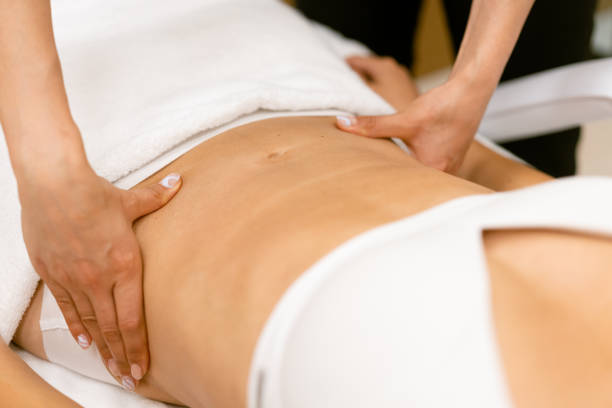
The abdominal tissue drains primarily toward the inguinal lymph nodes in the groin. Sessions follow this direction — working systematically from the areas furthest from the nodes downward and inward toward them. The flanks, which may also have been treated with liposuction as part of the procedure, drain toward both the inguinal and axillary nodes and are addressed within the same session.

The compression garment

Most tummy tuck patients are wearing an abdominal binder or compression garment for the first four to six weeks after surgery. Your therapist works with this in mind — advising when to remove it during the session and when to replace it. Compression and lymphatic drainage are most effective when used together consistently, not as alternatives to each other.

When to Start Lymphatic Drainage After a Tummy Tuck

Most patients are ready for their first lymphatic drainage session between day three and day five after surgery. The first 48 hours after an abdominoplasty are typically spent managing initial discomfort and resting — this is not the right time to start sessions. By day three, most patients are moving more comfortably from bed to a reclined position and the tissue is ready to respond to gentle drainage work.

Starting in this window matters because the first week after surgery is when fluid is most active in the tissue. The lymphatic vessels around the treated area are disrupted and the body is producing inflammatory fluid as part of the healing response — both happening at the same time. Getting sessions started while fluid is still in its early, moveable state is significantly more effective than waiting until it has been sitting in the tissue for two or three weeks.

Waiting too long does not mean sessions will not help — it means the work becomes harder and takes longer. Fluid that has been stationary in tissue for several weeks begins to thicken and the tissue around it starts responding with early fibrotic changes. Sessions at that stage are addressing an established problem rather than preventing one from developing.

Before booking your first session, share your surgeon’s post-operative instructions with your therapist. If your surgeon has given you a specific start date for lymphatic drainage, we follow that guidance exactly. If you are unsure whether you are ready, message us on WhatsApp with your surgery date and procedure details — we will give you an honest answer based on your specific situation rather than a generic timeline.

What Post-Surgery Lymphatic Drainage Sessions Involve

How Many Sessions You Will Need

Every tummy tuck recovery is different — the number of areas treated, whether liposuction was combined with the procedure, your body’s natural healing rate, and how consistently you attend sessions all affect the total number of appointments needed.
As a general guide for a standard abdominoplasty:
Week 1 to 2

Sessions every two to three days. The focus at this stage is on clearing the lymph node groups above and around the surgical area and encouraging early fluid movement without any pressure on the healing incision.

Week 3 to 4

Sessions every three to four days. Active swelling starts to reduce at this point and sessions begin to work closer to the treated tissue as the incision heals and sensitivity reduces.

Month 2

Weekly sessions. The visible swelling has largely settled by this point but the tissue underneath is still working through the recovery process. Sessions at this stage address residual firmness, early fibrotic areas, and the persistent lower abdominal swelling that is common well into the second month.

Month 3 onwards

Fortnightly sessions as needed. Most patients are in the final settling phase at this point — sessions support the tissue finding its final position and address any remaining areas of tightness or unevenness.

Most standard abdominoplasty patients need between 10 and 15 sessions in total. If your tummy tuck was combined with liposuction on the flanks or a full mummy makeover, expect more sessions and a longer active recovery phase — typically extending through month three or four.

These numbers are a guide not a fixed plan. Your therapist reassesses your recovery at every visit and adjusts the schedule based on how your body is actually responding — not a predetermined course of appointments.

Lymphatic Drainage Massage Dubai

What Clients Commonly Notice After Sessions

The feedback we hear most consistently from tummy tuck clients after their lymphatic drainage sessions is not about dramatic visible changes after a single appointment. Recovery from abdominoplasty is gradual and honest expectation management is part of what we do.

What clients typically notice across a consistent course of sessions:

The lower abdomen feels less full and pressured after each session — the physical sensation of fluid pressure reduces noticeably even when visible swelling is still present.

The firmness across the abdominal tissue gradually softens. Areas that felt board-like in the first weeks become more pliable as fluid is cleared and fibrotic changes are addressed before they fully establish.

The overall feeling of tightness — particularly the sensation that the skin is pulling across the abdomen — reduces as fluid reduces and the tissue settles into its new position.

Recovery feels more active and progressing rather than static. Many clients report that sessions give them a sense of doing something productive for their recovery rather than simply waiting for swelling to resolve on its own.

What Post-Surgery Lymphatic Drainage Sessions Involve

Frequently Asked Questions

Yes. Combined procedures are very common and your session covers all treated areas within the same appointment. The flanks drain toward both the inguinal and axillary nodes depending on the level of treatment, so your therapist works both drainage territories in sequence. Sessions for combined procedures typically run 90 minutes rather than 60 to allow adequate time for both areas.

Yes. Drains are common after tummy tuck procedures and your therapist works around them carefully. Knowing the drain location before the session allows the therapist to avoid direct pressure over the drain site while still working the surrounding tissue effectively. Let your therapist know the drain position when they arrive.

Lower abdominal swelling that persists beyond two to three weeks after a tummy tuck is extremely common and does not indicate a problem in most cases. The lower abdomen is the furthest point from the lymph nodes that drain this area and is typically the last region to settle. Consistent lymphatic drainage sessions specifically targeting the lower abdominal drainage pathway are the most effective way to support resolution of this persistent swelling.

Yes, though the focus changes at this stage. Three months post-surgery, any hard areas are likely early fibrosis rather than active fluid. Sessions at this stage use sustained, specific technique to soften fibrotic tissue over time. Improvement is gradual but consistent sessions do produce results even at this stage of recovery.

A mini tummy tuck addresses the lower abdomen only, with a shorter incision and no repositioning of the belly button. The recovery is generally less involved — less tissue disruption, less swelling, and a shorter active recovery phase. Lymphatic drainage is still beneficial after a mini tummy tuck but the number of sessions required is typically lower and the recovery timeline shorter than after a full abdominoplasty.

Disclaimer:

Lymphatic drainage massage is a supportive wellness service and does not replace medical advice from your surgeon. Always follow your surgeon’s post-operative instructions. If you experience unexpected changes in your incision, swelling, or pain levels contact your surgical team directly. Results vary by individual and recovery stage.

We'd love to hear from you

Book Your Post-Tummy Tuck Session in Dubai

Available same-day across all Dubai areas. Message us on WhatsApp to book or to ask about timing for your tummy tuck recovery.

Opening Hours

Open 24/7 in Dubai – Same-Day Appointments, Anytime You Need Us

Contact

WhatsApp: +971 52 737 8557
Email: info@lymphaticdrainagemassagedubai.com

Get a free quote