
Frequently Asked Questions
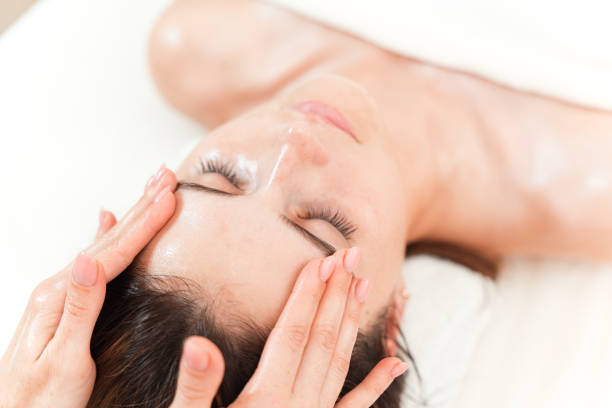
Yes — this is one of the most common reasons people book facial lymphatic drainage. The under-eye area is particularly prone to fluid accumulation because the skin there is very thin and the tissue holds fluid visibly. Sessions specifically address the drainage pathway around the eye area — working from the inner corner outward and downward toward the neck — which directly reduces the fluid sitting in this area. Many clients notice a visible difference in their under-eye appearance after even a single session.
After rhinoplasty, facial lymphatic drainage can typically begin in the first week once the initial post-operative discomfort has settled. Sessions in the early recovery period focus on the areas around the nose — the cheeks, the eye area, and the upper lip — rather than directly over the nose itself. The surrounding facial swelling that extends from rhinoplasty often responds very well to these sessions. Message us on WhatsApp with your surgery date and we will advise on the right time to start based on where you are in your recovery.
Yes, with the right timing. We recommend waiting 24 to 48 hours after filler treatment before booking a session and confirming with your practitioner that lymphatic drainage is appropriate for your specific treatment. Sessions after fillers do not apply any direct pressure over the treated areas — the technique works around them to move the surrounding fluid and reduce post-treatment puffiness.
Gua sha and jade rollers are self-massage tools that work on general facial circulation and muscle tension using firm sliding pressure. They have their own benefits but they do not follow the specific drainage direction or the technique sequence of Manual Lymphatic Drainage. A trained therapist performing facial MLD works with a precise understanding of where the facial lymphatic pathways run and in which direction fluid needs to move to reach the drainage points in the neck — which is what makes the technique effective for fluid reduction rather than just surface stimulation.
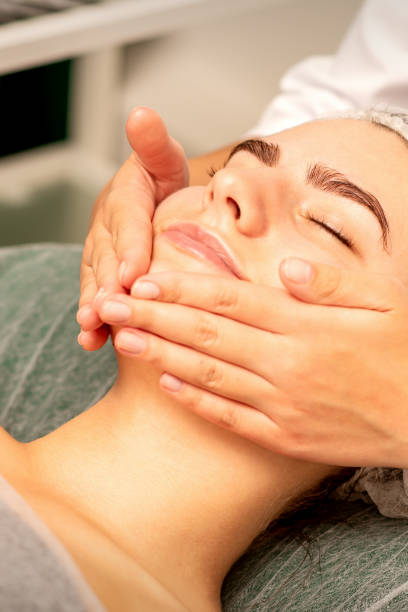
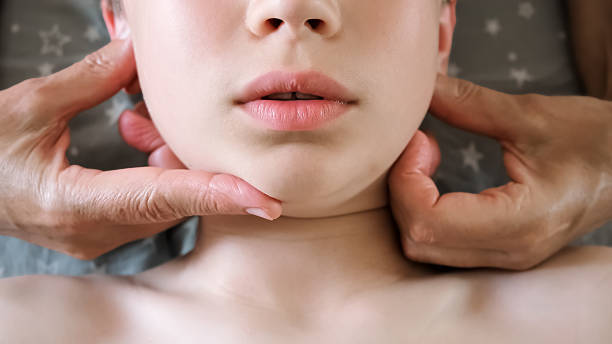
Many clients notice a visible difference after a single session — particularly in the under-eye area and along the jawline where fluid tends to sit most visibly. The effect after one session is real but temporary in isolation. Regular sessions build a more sustained result over time as the facial drainage system becomes more responsive and fluid accumulation reduces on a consistent basis.