

Lymphatic Massage After BBL in Dubai

BBL recovery is unlike recovery from any other cosmetic procedure. You are managing two separate surgical sites simultaneously — the donor areas where fat was removed through liposuction, and the buttocks where that fat was transferred and needs to survive and integrate into the surrounding tissue. Each site has different needs, different sensitivities, and requires a different approach during recovery.

Lymphatic drainage massage after a BBL is not simply post-surgery massage applied to a different area. The technique, the areas worked, the pressure used, and the positioning required are all specific to BBL recovery. Our DHA-licensed therapists provide dedicated post-BBL lymphatic drainage sessions delivered to your home or hotel across Dubai — structured around what your body is actually going through after this procedure.

Lymphatic Massage After BBL Dubai
Understanding What Happens After a BBL

Understanding What Happens After a BBL

A Brazilian Butt Lift involves two distinct surgical processes. First, liposuction is performed on donor areas — most commonly the abdomen, flanks, lower back, and thighs — to harvest fat. This fat is then processed and injected into the buttocks to create volume and shape.

The recovery challenge is that both of these processes are happening in the same body at the same time.

The donor areas go through the same post-liposuction recovery process — disrupted lymphatic vessels, fluid accumulation, swelling, and the risk of fibrosis in areas where fluid is not managed. For many BBL patients, the donor areas — particularly the abdomen, flanks, and lower back — produce more noticeable swelling and discomfort in the first weeks than the buttocks themselves.

The buttocks, meanwhile, are in a completely different phase. The transferred fat has been placed into the tissue and needs to establish a blood supply in its new location. This process — called fat graft survival — is directly affected by the pressure and circulation in the surrounding tissue. How well the fat survives this period determines a significant part of the final result.

The relationship between these two simultaneous recovery processes is what makes BBL aftercare more complex than most patients anticipate — and why the lymphatic drainage approach for BBL recovery is genuinely different from other post-surgical protocols.

Procedures We Commonly Support

How Lymphatic Drainage Supports BBL Recovery

Managing the donor area

The liposuction donor areas after a BBL need the same lymphatic drainage support as any post-liposuction recovery. You can read about this in detail on our lymphatic massage after liposuction page — the donor area recovery process follows the same principles covered there.

Without drainage support, this fluid sits in the tissue and creates the same fibrosis risk as standard post-liposuction recovery. The additional challenge in BBL cases is that the donor areas are often multiple and spread across a large part of the body — meaning there is more total tissue involved than in a focused liposuction procedure.

Sessions address the donor areas specifically and systematically, working the lymphatic pathways of each treated region toward the relevant node groups. The abdomen and flanks drain toward the inguinal nodes. The lower back and flanks at higher levels drain toward the axillary nodes. Sessions map the technique to the drainage territory of each area treated.

Supporting the transferred fat

The fat grafted into the buttocks during a BBL is living tissue. It needs adequate circulation in the surrounding environment to establish the blood supply it requires to survive in its new location. In the first weeks after a BBL, the quality of the tissue environment around the graft directly affects how much of the transferred fat ultimately survives.

Fluid accumulation in the surrounding tissue creates pressure and congestion that is not conducive to healthy fat graft integration. Lymphatic drainage helps maintain a cleaner tissue environment around the graft site by reducing this fluid congestion — without applying direct pressure to the buttocks themselves.

This is a critical distinction in BBL aftercare. Direct pressure on the buttocks in the early post-operative period — from sitting, from massage directly over the graft site, or from compression garments applied too firmly to the area — is actively harmful to fat survival. Lymphatic drainage for BBL recovery works the surrounding areas and the drainage pathways that service the region, not the graft site directly.

Supporting the transferred fat By MLD Massage

The Sitting Restriction and How It Affects Your Sessions

One of the defining features of BBL recovery is the sitting restriction. Most surgeons advise patients not to sit directly on the buttocks for the first two to six weeks after a BBL because sustained pressure on the graft site compresses the blood supply to the transferred fat and reduces survival rates.

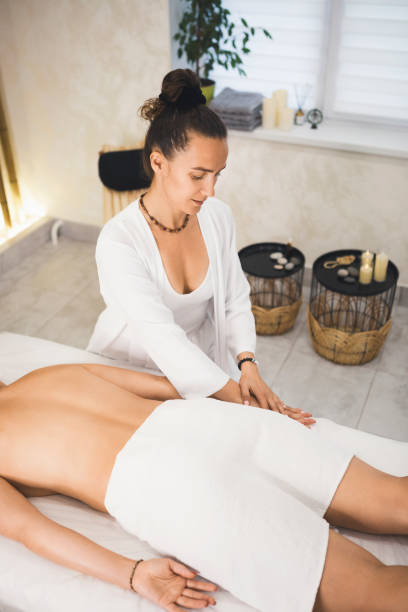
This restriction affects how your lymphatic drainage sessions are positioned. Unlike other post-surgical procedures where the client lies on their back, BBL sessions are typically performed with the client lying face down or on their side — allowing full access to the donor areas and the surrounding tissue without putting any pressure on the buttocks.

Your therapist is experienced in working in these positions and will set up your session to keep you comfortable throughout while fully respecting the sitting restriction your surgeon has advised. The home visit format is particularly suited to BBL recovery for this reason — you do not have to sit in a car to travel to a clinic, and the session takes place in your own space where your positioning aids and BBL pillow are already set up.

What Post-Surgery Lymphatic Drainage Sessions Involve

What BBL Sessions Specifically Involve

Your therapist arrives and begins with a review of your procedure details — which areas were used as donor sites, how many days post-surgery you are, where you are experiencing the most swelling, and what your surgeon has advised about pressure and positioning.

The session focuses on:

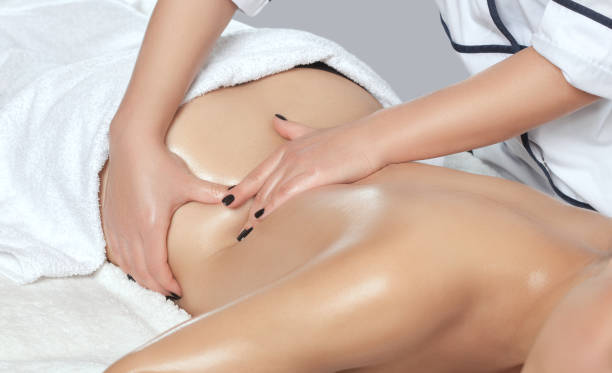
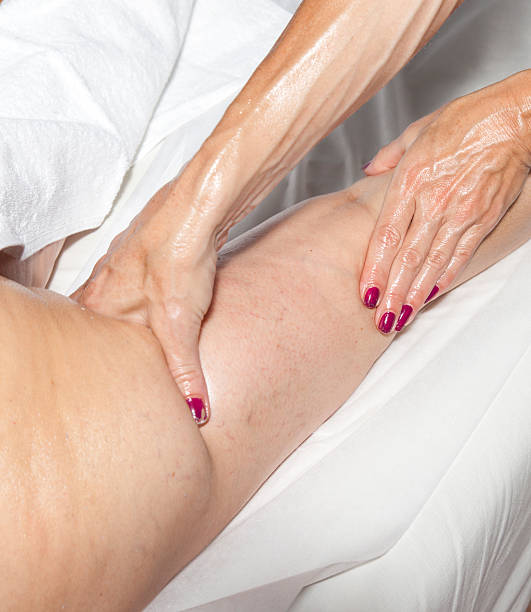
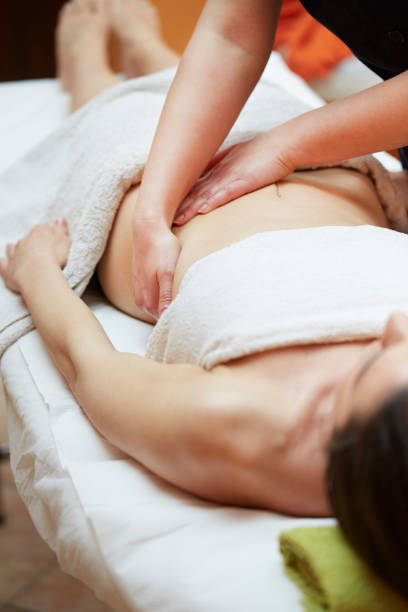
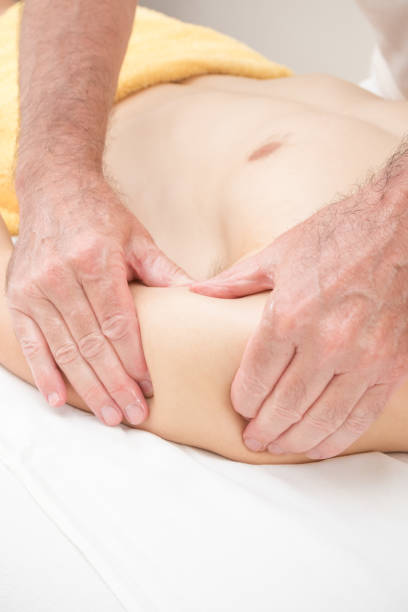
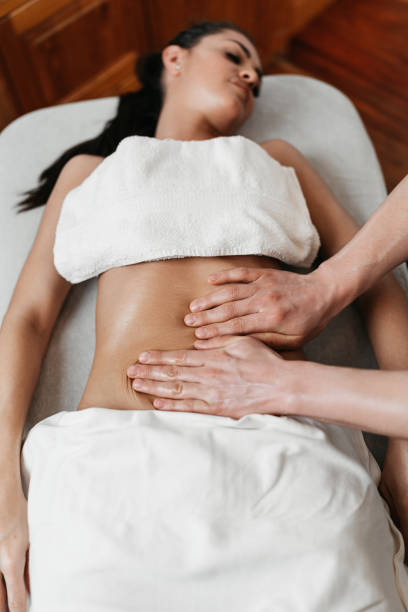
Donor area drainage — working systematically through the liposuction areas of the abdomen, flanks, lower back, and thighs in the direction of their respective drainage pathways. This is the primary focus of early post-BBL sessions and typically takes the majority of the session time.

Perimeter work around the graft site — gentle technique along the tissue surrounding the buttocks and the upper thigh region to support circulation and reduce fluid congestion in the area adjacent to the graft. This is done with the client in a face-down position and involves no direct pressure on the graft area itself.

Node clearance — work at the inguinal nodes in the groin and the axillary nodes in the armpits to create capacity in the lymphatic system for fluid from the treated areas to drain into. This node clearance work is always performed before the drainage technique moves into the treated areas.

Sessions for BBL recovery typically run 90 minutes to allow adequate time for the multiple donor areas and the perimeter work. Your therapist will advise on session duration at your first visit based on the number of donor areas and your current recovery stage.

When to Start and How Many Sessions

The timing question after a BBL is more carefully considered than after a straightforward liposuction procedure because of the fat graft component.
For the donor areas, lymphatic drainage can generally begin within 48 to 72 hours of surgery — the same timing as standard post-liposuction recovery. The earlier fluid movement begins in the donor areas, the better the conditions for the surrounding tissue environment.
 
A typical session schedule for BBL recovery:

Days 2 to 7: Sessions every one to two days focusing primarily on donor area drainage and node clearance

Week 2 to 3: Sessions every two to three days as donor area swelling begins to reduce and perimeter work around the graft site is introduced

Week 4 to 6: Sessions every three to four days addressing residual swelling in donor areas and supporting overall tissue settling

Month 2 onwards: Weekly sessions as needed until the donor areas have fully settled and the graft has established

Most BBL patients need between 10 and 15 sessions across the first six to eight weeks of recovery. The exact number depends on how many donor areas were used, the volume of fat transferred, and how your body responds to treatment.

When to Start and How Many Sessions BBL lymphatic drainage massage

What to Be Aware of Between Sessions

BBL recovery involves specific aftercare requirements that interact directly with your lymphatic drainage sessions. Being consistent with the following between sessions supports the work done during each appointment.

The sitting restriction matters more than almost any other aftercare instruction after a BBL. Your lymphatic drainage sessions are positioned to work around this restriction but the work done in each session is undermined if you are sitting directly on the graft site between appointments. Use your BBL pillow consistently as your surgeon has advised.

Compression garments on donor areas should be worn as instructed. Your therapist works with the garment rather than against it — advising when to remove and replace it during sessions. Consistent compression between sessions prevents fluid from pooling back into donor area tissue between appointments.

Hydration supports lymphatic fluid movement between sessions. Two to three litres of water daily in the first weeks of recovery gives your lymphatic system the fluid balance it needs to process and eliminate the fluid being moved during sessions.

Sleep position matters. Most surgeons advise BBL patients to sleep face down or on their side for the first several weeks. This supports the sitting restriction and also happens to be the most comfortable position for lymphatic drainage of the donor areas.

Frequently Asked Questions

No. Post-BBL lymphatic drainage does not apply direct pressure to the graft site. Work is focused on the donor areas and the tissue surrounding the buttocks rather than over the graft area itself. Your therapist understands the fat survival consideration and works entirely within the boundaries your surgeon has set. If you are unsure, share your surgeon’s specific aftercare instructions with your therapist before the session begins.

Almost certainly yes. The abdominal and flank donor sites after a BBL often produce more noticeable swelling than the buttocks in the first weeks because these are typically the largest donor areas. Consistent lymphatic drainage focused specifically on the abdominal and flank drainage pathways is the most effective way to address this swelling. Three weeks post-surgery is still well within the active recovery phase and sessions at this stage produce significant results.

Yes. Your therapist works in whatever position is most comfortable for you. If lying fully face down is not yet comfortable, the session is adapted to a side-lying or partially reclined position that still allows access to the donor areas without any pressure on the buttocks. The home visit format makes this easier because you can be set up in your own bed or on your own furniture rather than a clinic treatment table.

The primary effect is on the donor areas rather than the graft result directly. Well-managed donor area recovery — with reduced fibrosis, smoother tissue, and faster swelling resolution — means the final contour of the areas where fat was harvested looks better. In the graft area, maintaining a healthy tissue environment through reduced fluid congestion in the surrounding tissue supports the conditions for fat integration — but fat survival rates are primarily determined by surgical technique and the sitting restriction in the first weeks, not by lymphatic drainage.

Combined procedures are increasingly common and your session covers both recovery areas within the same appointment. The tummy tuck recovery requirements — working around the incision line and managing abdominal drainage — are incorporated alongside the BBL donor area and graft site perimeter work. Sessions for combined procedures typically run 90 to 120 minutes and your therapist will advise on duration at your first visit.

Disclaimer:

Lymphatic drainage massage is a supportive wellness service and does not replace medical advice from your surgeon. Always follow your surgeon’s post-operative instructions including the sitting restriction and compression garment guidance. If you notice unexpected changes in swelling, pain, or wound healing contact your surgical team directly. Results vary by individual, procedure type, and recovery stage.

We'd love to hear from you

Book Your Post-BBL Session in Dubai

Available same-day across all Dubai areas. Message us on WhatsApp to book or to ask about timing and positioning for your BBL recovery.
To learn more about our full range of lymphatic drainage massage in Dubai, visit our main service page.

Opening Hours

Open 24/7 in Dubai – Same-Day Appointments, Anytime You Need Us

Contact

WhatsApp: +971 52 737 8557
Email: info@lymphaticdrainagemassagedubai.com

Get a free quote